An essay by Rabbi Dan Lewin
The Letter.
What survives of a life — and what my children heard at the dinner table.
The other night at dinner with my wife and all our kids, many of whom were home on school break, I took out a collection of family memorabilia that my mother had recently given me. There was a family tree, old photographs, and other important family items.
I showed my kids a photograph. "This is a picture of your great-great-great-grandfather," I said.
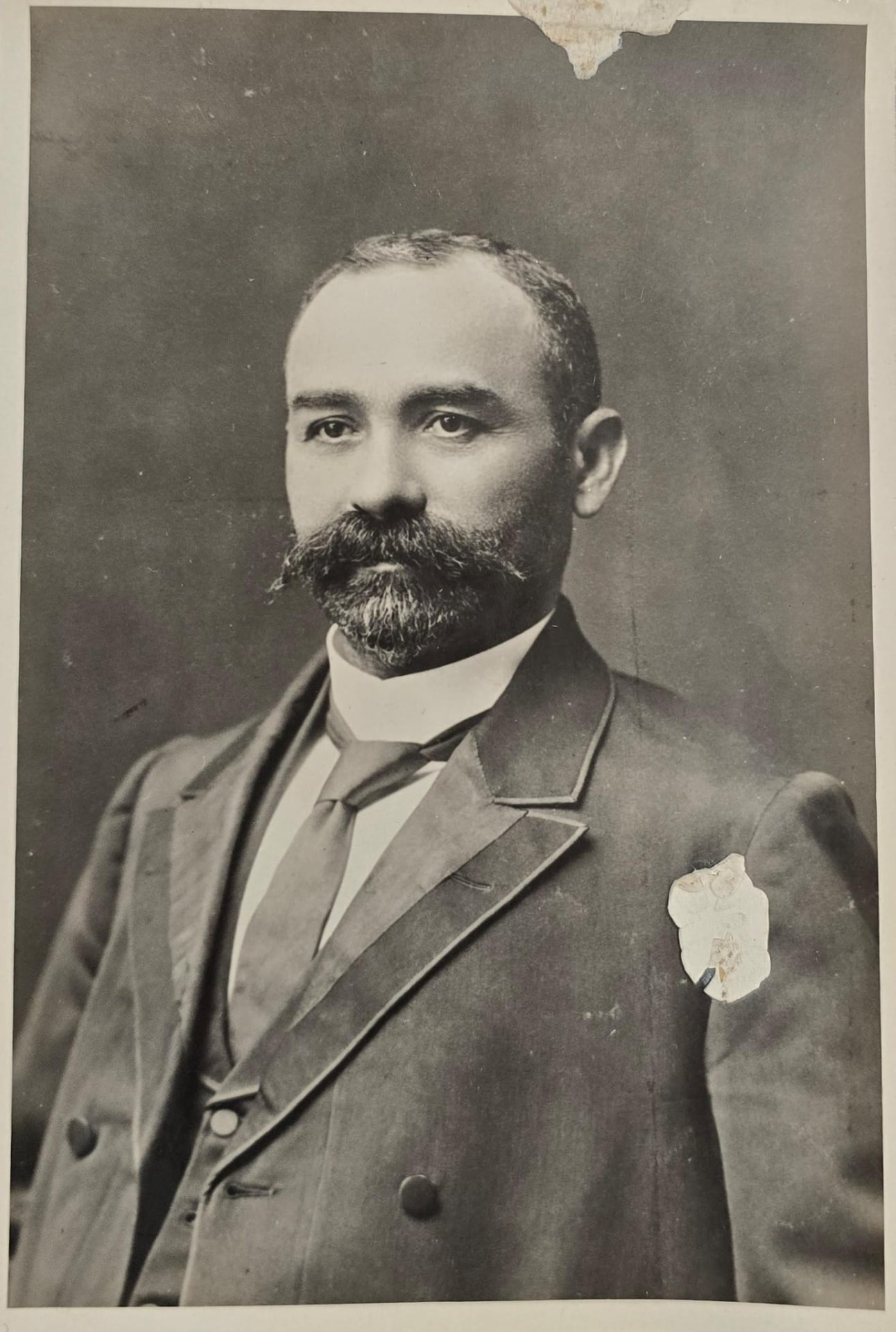
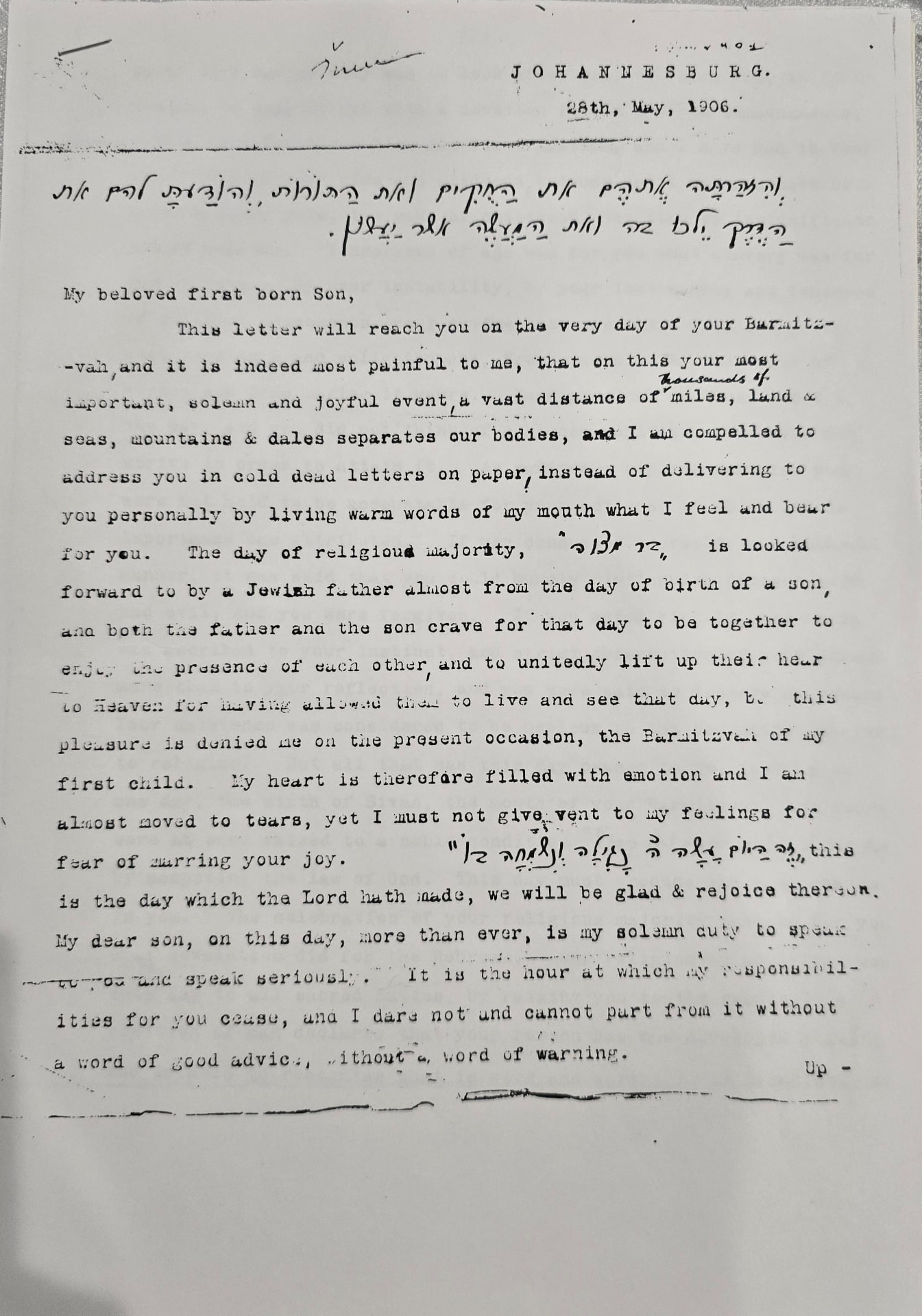
Then I found a long letter he had written to my great-grandfather in South Africa for his 13th birthday. He couldn't be there. Travel in those days was difficult.
The letter was typed on a typewriter. The language was beautiful and formal, belonging to another era. Even the way he expressed himself carried the flavor of his time and something of his personality.
There was pain in the letter, but also advice, love, thoughts and feelings from a father to his son on an important occasion, and expectations for the person he hoped his son would become.
As we read it, questions came up. Why wasn't he there? What kept him away? What was travel like in those days?
Journeys across oceans were long and arduous. There were obstacles and encounters that are difficult for us to imagine today.
So I sat there at the table, reading the words of our ancestor, whom my kids had never heard of.
My son Meir looked at one of the photographs, which had two people in it, and said:
"If those two people hadn't met, we would never be here."
He was right.
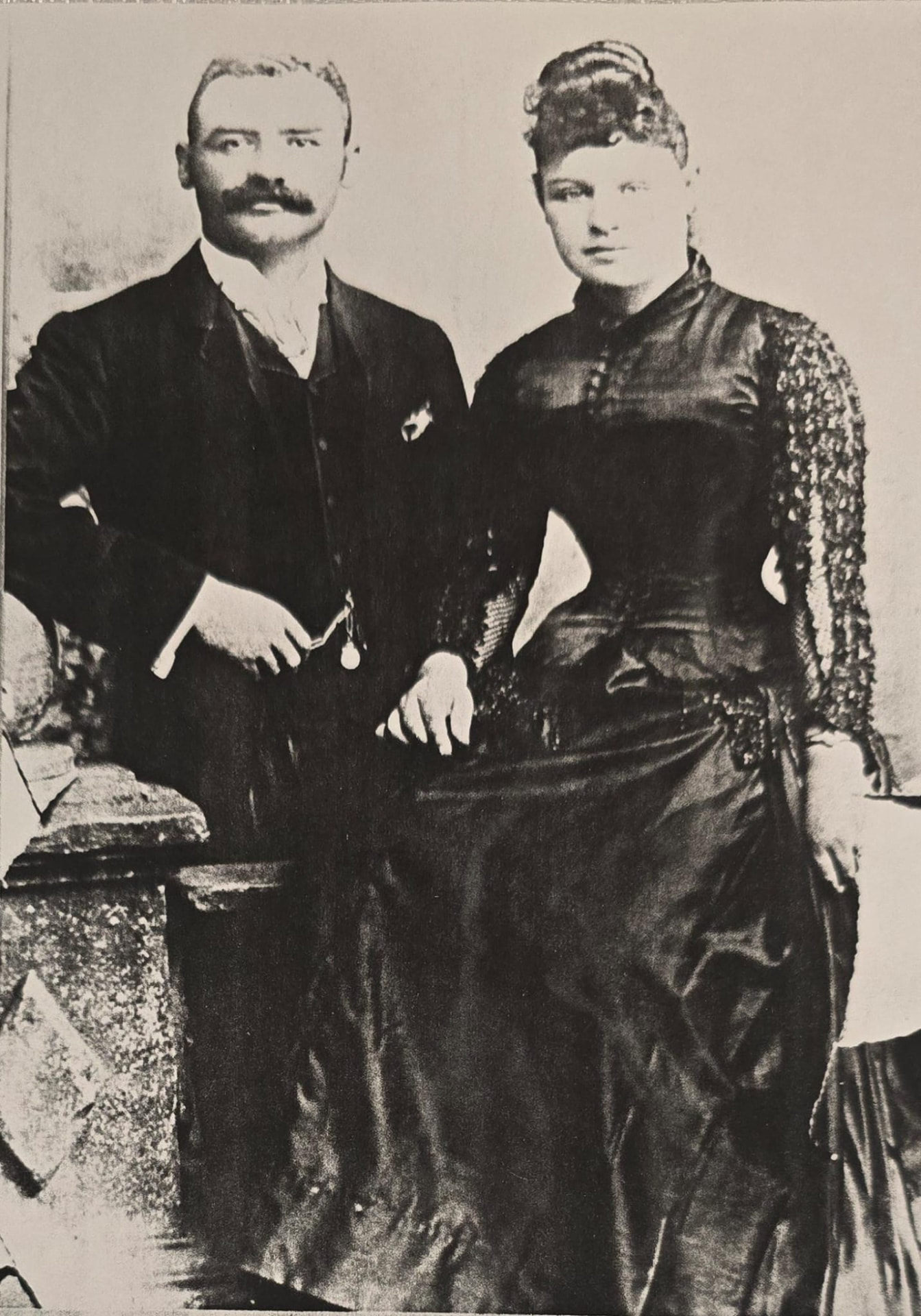
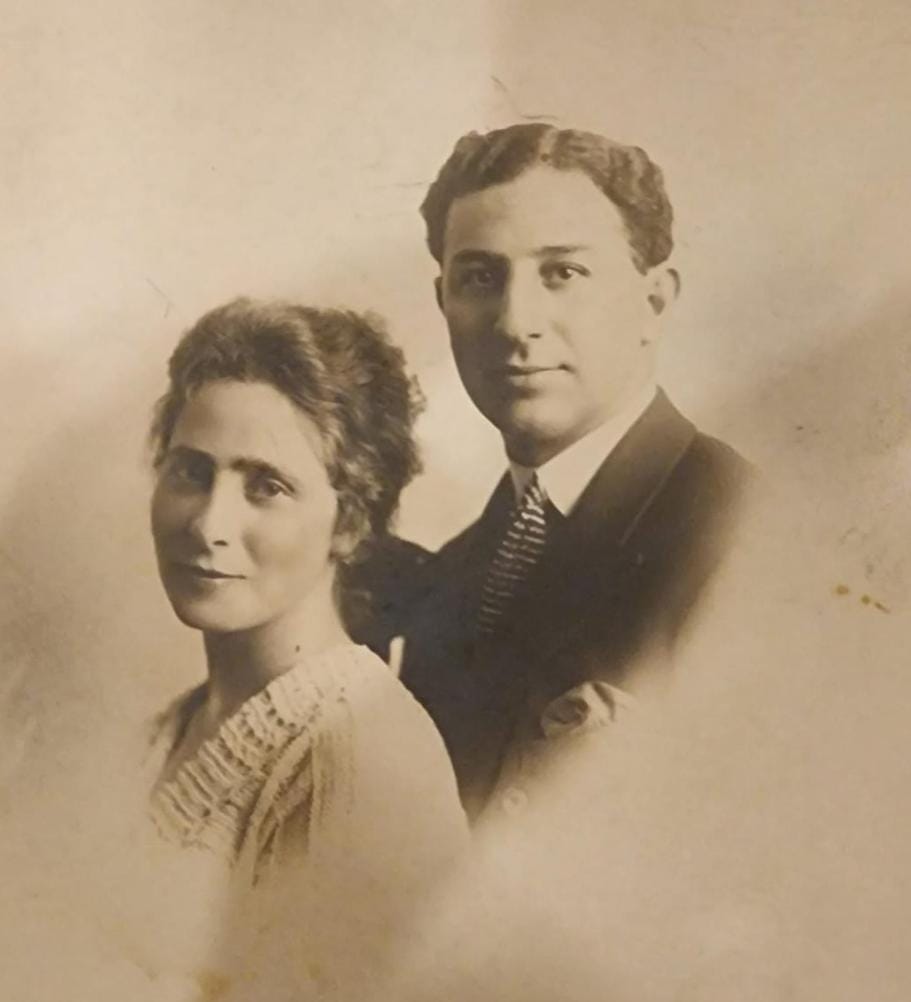
Somewhere along the way, these two people met. There were miracles and Divine Providence in the circumstances that brought them together — people who connected them through their professions, mentors who helped them, people who gave them loans during the Great Depression, and countless decisions, relationships, encounters, and circumstances that helped shape their lives.
They met, made decisions, built a life, and had children. And if they hadn't met, none of us would have been sitting around that table.
We rarely stop to think about how the meeting of two people — and all the decisions and circumstances surrounding their lives — can have ripple effects across generations.
I often say something similar when I officiate at weddings. If we could somehow be shown the unfathomable chain of events, countless decisions, encounters, journeys, and circumstances that had to unfold precisely for a couple to stand together under a wedding canopy, we would be awestruck.
And for a few moments, this man who had lived so many decades earlier didn't feel so far away.
His words had survived.
And now my children were hearing them.
All of us exist because of an incredibly long chain of human lives, decisions, relationships, and circumstances.
The people who came before us lived full lives. They had values that guided them. They had qualities that made them successful. They had work and businesses, relationships and families, regrets and accomplishments. They faced challenges, experienced joy and pain, made decisions, learned lessons, and experienced their own encounters with Divine Providence.
And then life ends.
Another generation comes along, and slowly the person's life's work begins to disappear. The stories disappear. The personality and voices disappear.
The bridge — the mental bridge connecting one generation to another — is broken. Their journey is lost amongst descendants who are unknowingly the beneficiaries of all the things that had happened to them.
Unless it is preserved.
Imagine being able to read a book about your grandfather — not simply a list of dates and accomplishments, but the story of his life. To understand the values that guided him, the struggles he went through, the regrets he carried, the qualities that made him successful, the decisions he made, the people who influenced him, and the experiences that shaped him. To hear it in his own words.
That would be a family treasure.
A memoir allows future generations to go inside the life that came before them. It preserves not only what a person accomplished, but who that person was — and allows descendants to know the person behind the name and photograph.
My great-great-grandfather left me a letter.
And because of that letter, my children — who had never even heard of him — were able to hear his voice.
What will your great-grandchildren have? A photograph? A name on a family tree?
Or will they be able to open a book and meet you?
— Rabbi Dan Lewin